
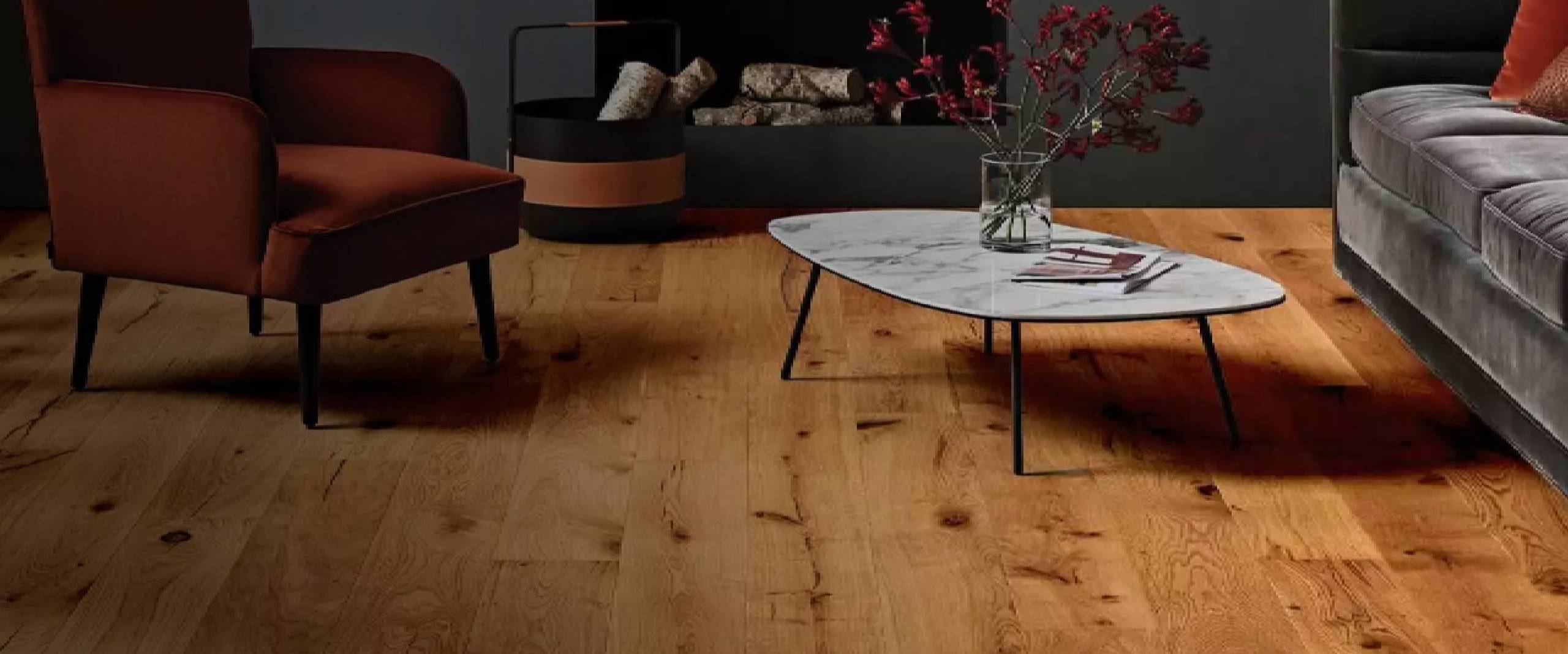
Varnishing process
Restore and protect timber surfaces
Professional varnishing combines preparation, optional staining, layered coating, and adequate drying time.
Sand
Remove worn varnish, scratches, and surface imperfections.
Prepare
Clean the timber and apply stain where the finish requires it.
Coat
Apply the selected varnish evenly in multiple layers.
Dry and inspect
Allow curing time between coats and review the final surface.
Wood Varnishing Specialists
Wood Varnishing Services
Wood varnishing protects and enhances the natural beauty of timber surfaces, from parquet flooring to doors, staircases, and furniture. Over time, wood surfaces can become dull, scratched, or worn — professional varnishing restores their finish while adding a protective layer against moisture, UV exposure, and everyday wear.
Our Wood Varnishing Services
We provide varnishing services for parquet and timber flooring, wooden doors and door frames, staircases, skirting, and furniture. Whether you need a full restoration of aged, worn wood or routine re-varnishing to maintain its finish, our team delivers a smooth, even, long-lasting result.
Benefits of Professional Varnishing
Properly applied varnish protects wood from moisture damage, scuffs, and fading caused by sunlight, while enhancing its natural grain and colour. It also makes surfaces easier to clean and extends the lifespan of your flooring, doors, and furniture.
Our Restoration Process
Our process starts with sanding down the existing surface to remove old varnish, scratches, and imperfections, followed by careful staining if required, and multiple coats of varnish applied with adequate drying time between each layer for a durable, professional finish.
Types of Varnish We Use
Our Varnishing Process & Timeline
Wood varnishing is a careful, multi-stage process — rushing any step can compromise the final finish. Here’s what a typical project involves:
- We assess the existing surface to determine the extent of sanding, repairs, or staining required.
- Old varnish, scratches, and surface damage are sanded back to bare or lightly prepared wood.
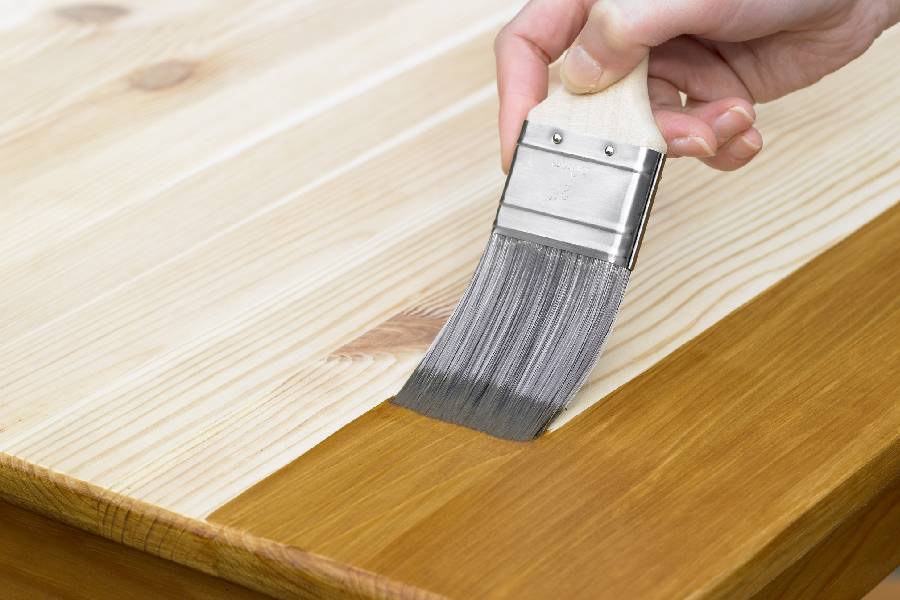
- Any staining is applied evenly and allowed to dry fully before varnishing begins.
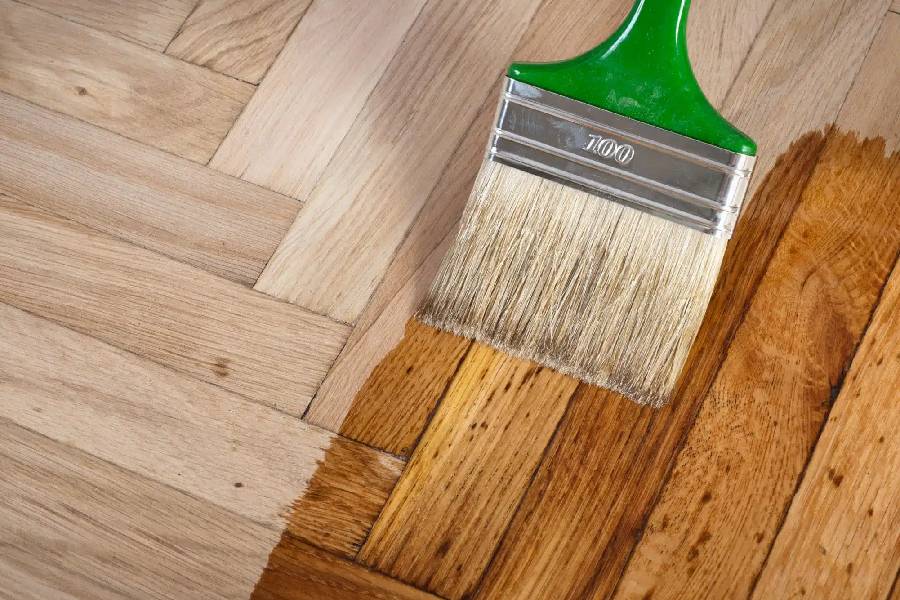
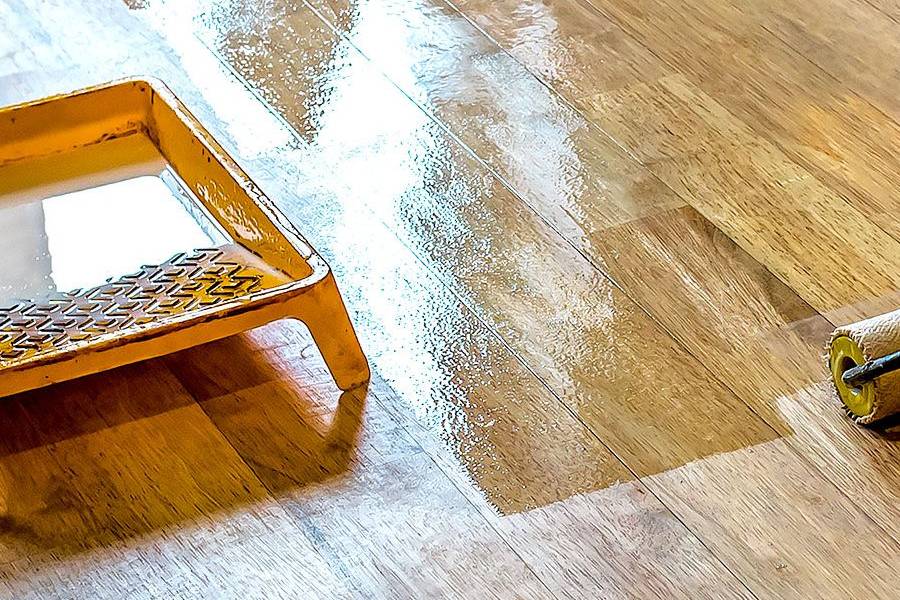
- Varnish is applied in multiple thin coats, with light sanding between layers for a smooth, even finish.
- The final coat is left to cure fully before the surface is returned to normal use.
Sanding and Repair
Thorough sanding removes old finish and surface imperfections, creating a smooth base that allows new varnish to bond properly and reveal the wood’s natural grain.
Staining (If Required)
Where a colour change or enhancement is desired, stain is applied evenly before varnishing to ensure consistent tone across the entire surface.
Multiple Coat Application
Building up varnish in several thin coats, rather than one thick layer, produces a more durable and even finish, with light sanding between coats to remove imperfections.
Maintaining Your Varnished Surfaces
Varnished wood generally requires minimal upkeep. Regular dusting and prompt clean-up of spills will keep surfaces looking their best, while avoiding harsh chemical cleaners helps preserve the varnish’s protective layer.
Depending on foot traffic and sun exposure, re-varnishing every few years can help maintain both the appearance and protective qualities of your floors, doors, or furniture.
Why Choose Our Wood Varnishing Team
With careful preparation and attention to detail at every stage, our team delivers wood varnishing results that are both beautiful and built to last, protecting your timber surfaces for years to come.
Frequently Asked Questions
What surfaces can you varnish? | We varnish parquet and timber flooring, wooden doors and frames, staircases, skirting, and furniture. |
What types of varnish do you use? | We use polyurethane for high-durability flooring, water-based varnish for a low-odour option, and oil-based varnish for a rich, traditional finish. |
What does your restoration process involve? | We sand down the existing surface, apply staining if needed, then build up multiple coats of varnish with drying time between each layer. |
How often should wood be re-varnished? | This depends on foot traffic and sun exposure, but re-varnishing every few years helps maintain both appearance and protection. |
How do I care for varnished wood? | Regular dusting, prompt clean-up of spills, and avoiding harsh chemical cleaners will help preserve the varnish’s protective layer. |